A London river awash with treasure
It was a chilly and dark morning as I exited the train station at Wapping in East London. Under the orange glare of streetlights, I changed my trainers for a pair of dirty wellies. People walking in the other direction, heading to work in business clothes, stared as I pulled on my plastic gloves. My office for the morning awaited so I turned down a narrow alleyway and carefully made my way down an uneven flight of steps, slick with green river weeds. Today I was going “mudlarking”.
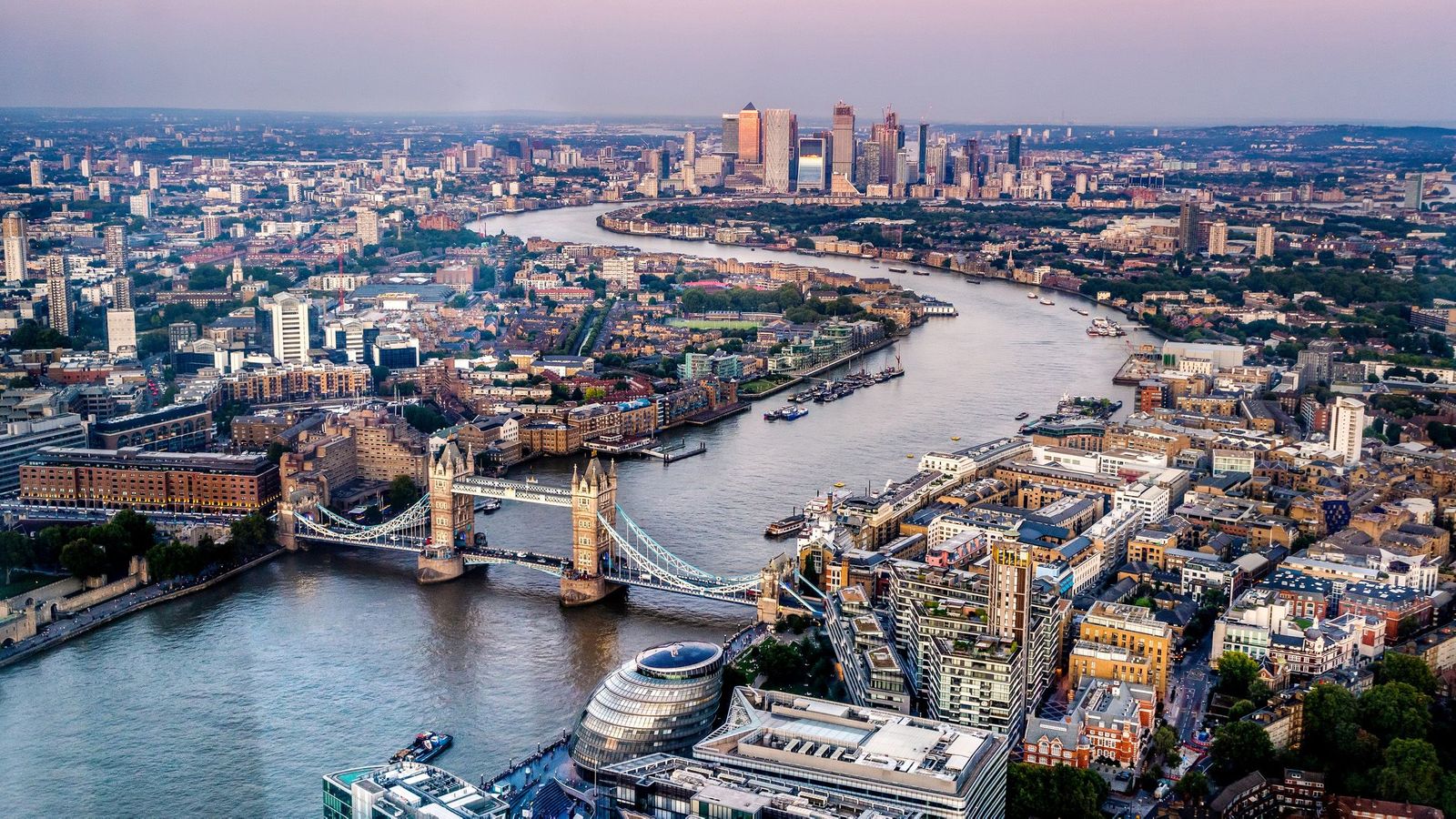
The River Thames is one of the greatest and largest archaeological sites in the world (Credit: Circle Creative Studio/Getty Images)
If you find yourself crossing one of London’s busy bridges and look down, you may notice that the height of the Thames changes dramatically over the course of the day: the tidal river can rise and fall by as much as 7m. When the tide is out, you may see people scurrying down hidden stairs, ladders and slipways to trudge along the foreshore. These are “mudlarks” – and they play a vital role in preserving the history of the Thames by picking up objects and artefacts lodged in the river’s mud.
Comments
Post a Comment